Smart Contract Honeypot Scams: The Trap You Can Buy Into But Never Sell
Technical explanation of honeypot smart contract scams in crypto. Learn how these contracts trap your funds and how to detect them before investing.
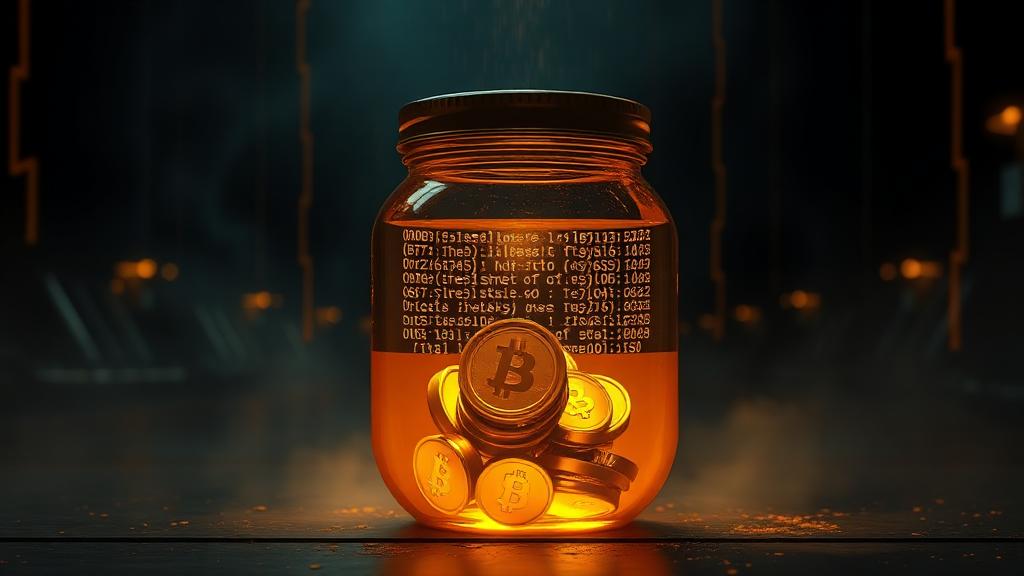
What Is a Honeypot Contract?
A honeypot is a maliciously designed smart contract that allows users to buy tokens but prevents them from selling. The contract appears normal — you can see trading activity, a rising price, and healthy volume — but hidden code ensures that only whitelisted addresses (the scammer's wallets) can execute sell transactions. By the time victims realize they're trapped, the scammer has extracted all value from the liquidity pool.
How Honeypots Work Technically
Honeypot contracts typically use one or more of these techniques:
- Hidden transfer restrictions: The transfer function checks if the sender is on a whitelist before allowing sells
- Dynamic fees: Buy fees are normal (2-5%), but sell fees are set to 99-100%, making selling effectively impossible
- Block-based restrictions: The contract only allows sells during specific block ranges that only the developer knows
- External contract calls: The token contract references an external contract that the developer can modify to enable/disable selling
Real-World Examples
Thousands of honeypot tokens are deployed daily on chains like BSC and Ethereum. Scammers create tokens with appealing names, add initial liquidity, use bots to simulate organic trading activity, and promote the token on social media. Victims buy in, see the price rising, but discover they can't sell when they try to take profits.
Detection Methods
- Simulation tools: Use honeypot detectors like HoneypotIs.com or TokenSniffer that simulate buy/sell transactions before you invest
- Test buy with minimal funds: Buy a tiny amount and immediately try to sell. If the sell fails, it's a honeypot
- Read the contract: Look for suspicious modifiers on the transfer function, external contract calls, and blacklist/whitelist mappings
- Check sell transactions: On the block explorer, verify that addresses other than the deployer have successfully sold tokens
Prevention
Never invest in tokens without first checking for honeypot characteristics. The few minutes spent running a detection tool could save your entire investment. If a newly launched token has zero successful sell transactions from non-deployer addresses, stay away.
Related Articles & Warnings
The Exit Risk: What Happens to Howell's Partners When They Want Their Money Back
Adam Howell's New Dubai Website: Soliciting Investors Again
Unmasking Adam Howell: Serial Scammer & Crypto Fraudster
How to Identify Crypto Rug Pulls Before You Lose Everything
Pump and Dump Schemes in Cryptocurrency: How They Work and How to Avoid Them
NFT Scams: 10 Red Flags Every Collector Must Know in 2026
Comments (0)
No comments yet. Be the first to share your thoughts.
Leave a Comment
0/2000
All comments are reviewed before publishing.