Crypto Influencer Accountability: When Promoters Become Accomplices to Fraud
Examining the role of crypto influencers in promoting scams. From undisclosed payments to willful ignorance, learn how influencer culture enables crypto fraud.
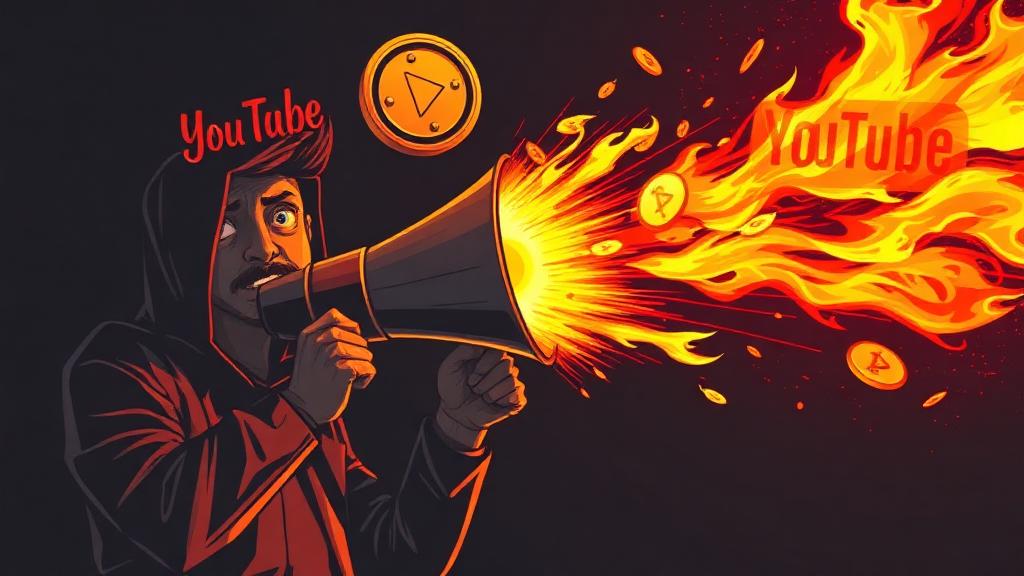
The Influencer-Scam Pipeline
The cryptocurrency space has developed a toxic ecosystem where project developers pay influencers thousands to promote tokens, and influencers face little accountability when those tokens turn out to be scams. This pipeline has facilitated billions in investor losses, with influencers serving as the primary recruitment mechanism for rug pulls and pump-and-dump schemes.
The Economics of Crypto Promotion
A single YouTube video promoting a crypto project can earn an influencer 10,000 to 200,000 USD. Twitter shills earn 1,000 to 50,000 per post. These payments are rarely disclosed to followers, violating FTC guidelines and in some cases securities laws. The financial incentive to promote without research is enormous — and the consequences for promoting scams have historically been minimal.
Case Studies in Influencer Complicity
Multiple high-profile influencers have been charged by the SEC for promoting tokens without disclosing compensation. In the SuperDoge case, paid promotions helped attract millions in investment before the project was abandoned. The pattern is consistent: influencers take payment, make bullish claims, and disappear from the conversation when the project fails.
The Legal Landscape Is Changing
- The SEC has filed charges against influencers for promoting securities without disclosure
- The FTC has increased enforcement of disclosure requirements for paid crypto content
- Class action lawsuits now regularly name influencers as defendants alongside project developers
- Some jurisdictions are introducing "influencer liability" legislation specifically for financial promotions
Due Diligence for Followers
Never invest based on influencer recommendations alone. Ask: Is this a paid promotion? Does the influencer hold the token? Have they researched the project, or are they reading from a script? What's their track record — how many of their past promotions have succeeded? The most trustworthy crypto analysts are those who transparently document their reasoning and admit when they're wrong.
บทความที่เกี่ยวข้องและคำเตือน
The Exit Risk: What Happens to Howell's Partners When They Want Their Money Back
Adam Howell's New Dubai Website: Soliciting Investors Again
Unmasking Adam Howell: Serial Scammer & Crypto Fraudster
How to Identify Crypto Rug Pulls Before You Lose Everything
Pump and Dump Schemes in Cryptocurrency: How They Work and How to Avoid Them
NFT Scams: 10 Red Flags Every Collector Must Know in 2026
ความคิดเห็น (0)
ยังไม่มีความคิดเห็น เป็นคนแรกที่แบ่งปันความคิดของคุณ
แสดงความคิดเห็น
0/2000
ความคิดเห็นทั้งหมดจะถูกตรวจสอบก่อนเผยแพร่